
Understanding the psychology behind player decisions in casinos
The Role of Cognitive Biases
Cognitive biases play a significant role in shaping player decisions within casinos. These biases can lead individuals to make irrational choices, often influenced by their emotions rather than logical reasoning. For example, the “gambler’s fallacy” can lead players to believe that past outcomes will affect future results, prompting them to continue betting on a losing streak. This misconception can result in increased losses as players chase their perceived luck. One way players can enhance their experience is by visiting the best bitcoin casino, which utilizes advanced technology to improve gameplay.
Moreover, the illusion of control can lead players to feel they have influence over random outcomes, such as slot machines or card games. This mindset encourages individuals to engage in more gambling, as they mistakenly believe they can sway results through their actions. Understanding these cognitive biases is crucial for recognizing how they shape player behavior in the casino environment.
Emotional Factors in Gambling
Emotions significantly impact decision-making processes in casinos. Players often gamble to seek excitement or escape from stress and anxiety. The thrill of winning can create a rush of adrenaline, reinforcing continued play. Conversely, losses can provoke negative emotions, leading some players to double down on their bets in an attempt to recover lost funds.
This emotional rollercoaster can result in a cycle of gambling behavior that is hard to break. The desire for a positive emotional experience can overshadow logical thinking, causing players to ignore strategies that might mitigate losses. Emotional states can greatly influence choices, making it essential for players to develop self-awareness regarding their feelings while gambling.
The Influence of Environment and Design
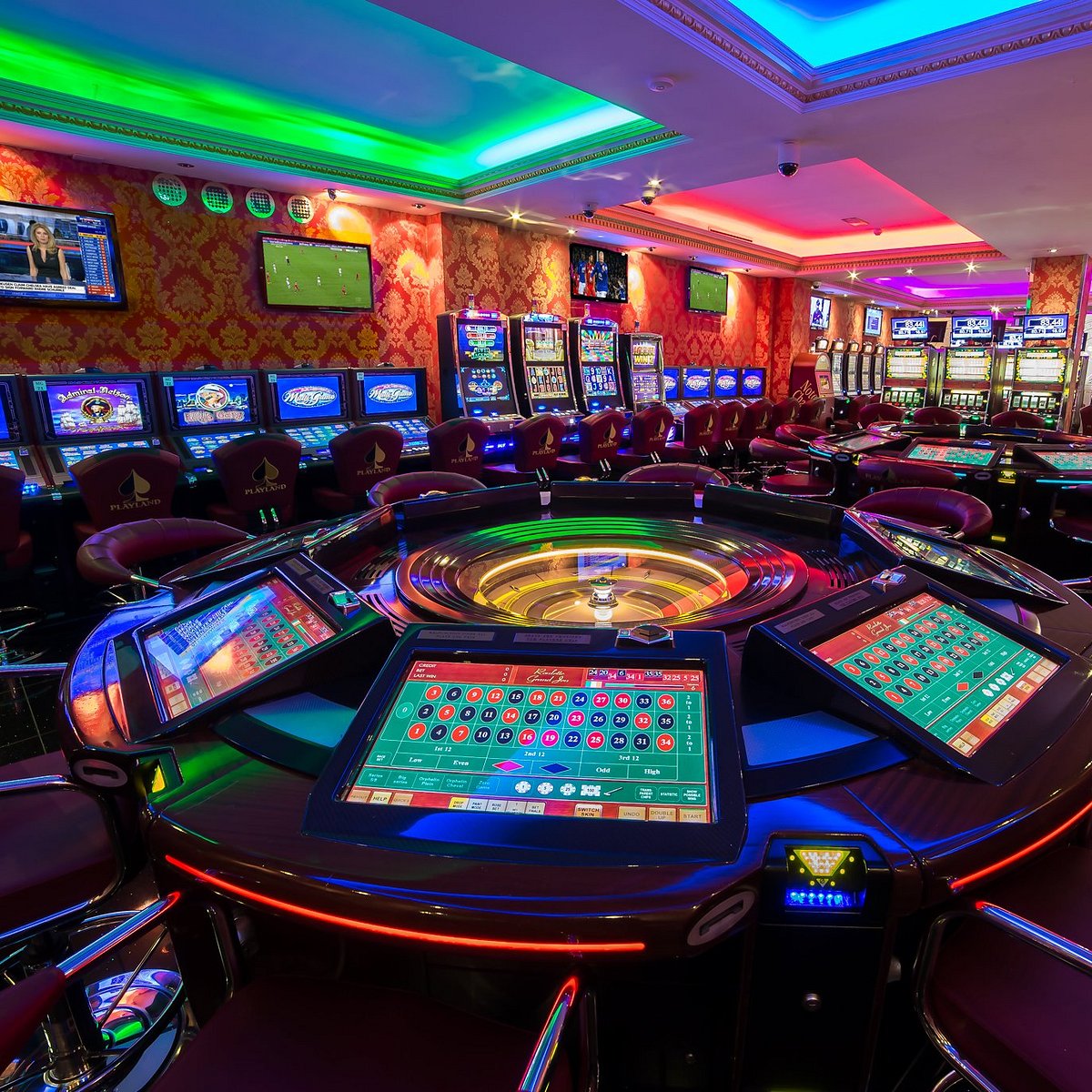
The physical design and atmosphere of casinos are strategically crafted to enhance player engagement. Bright lights, alluring sounds, and the layout of gaming tables and machines are all designed to stimulate excitement and prolong the gaming experience. This immersive environment can lead players to lose track of time and money, as they become absorbed in the sensory experience.
Additionally, the presence of alcohol and social interactions can further alter a player’s decision-making process. The combination of a stimulating environment and intoxicants can impair judgment, leading to riskier bets and impulsive choices. Understanding how environment influences decisions is essential for players to navigate their experiences mindfully.
The Impact of Technology on Gambling
As technology evolves, it transforms how players engage with gambling. Online casinos and mobile gaming apps have made gambling more accessible, allowing players to gamble from the comfort of their homes. This convenience can encourage prolonged play, as players may find it easier to lose track of time without the physical constraints of a traditional casino.
Moreover, technology also introduces new psychological factors, such as the “near-miss” effect in online slots, where players often feel close to winning, prompting them to continue playing. Such mechanisms exploit psychological triggers that can lead to compulsive behavior. Understanding the technological impact on gambling decisions is crucial for both players and the industry as a whole.

Conclusion and Resources
In conclusion, understanding the psychology behind player decisions in casinos can provide valuable insights for both players and industry professionals. By recognizing the influence of cognitive biases, emotional factors, environmental design, and technology, players can make more informed decisions and develop healthier gambling habits.
For those interested in exploring this subject further, numerous resources are available that delve into the psychology of gambling, offering strategies for responsible play and personal growth within this exciting yet complex arena.